Choosing the right turnbuckles for your rigging needs is essential for safety and performance. Turnbuckles are critical in various industries, including construction, marine, and events. According to the rigging industry report by the National Association of Riggers, improper selection can lead to failures and accidents, emphasizing the importance of understanding your specific requirements.
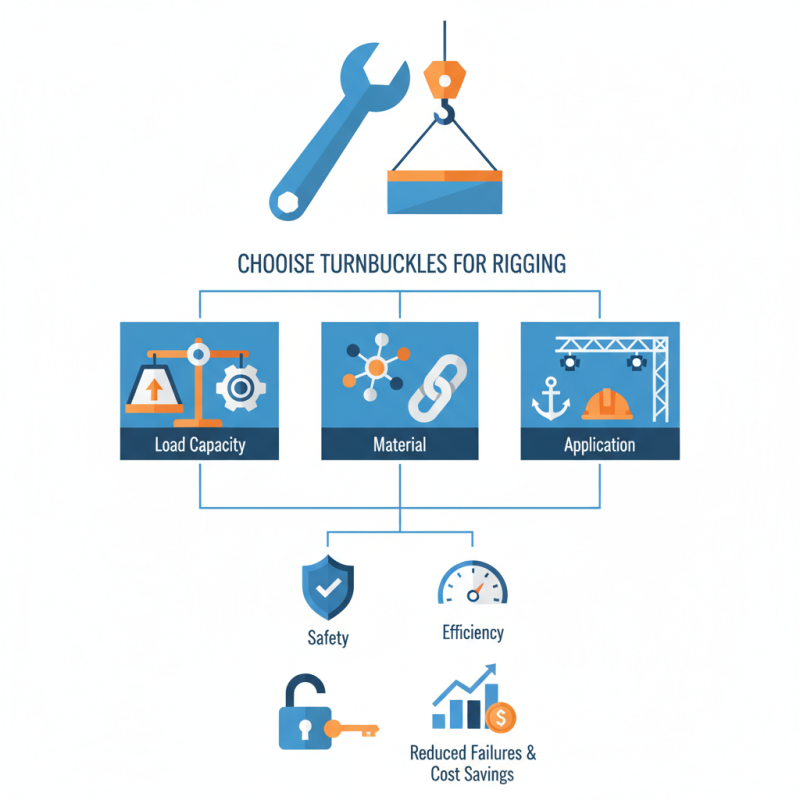
When selecting turnbuckles for rigging, consider factors such as load capacity, material, and application. Many professionals underestimate the impact of these choices, leading to inefficient operations and increased risk. Industry data suggests that over 30% of rigging failures stem from using inappropriate hardware.
Lack of attention to details can create serious issues. Inspecting specifications and compatibilities should be a priority. By thoroughly understanding your rigging needs, you can select turnbuckles that enhance safety and efficiency, reducing the likelihood of costly errors. Investing time in this process ultimately pays off.
Understanding Turnbuckles: Types and Applications
Turnbuckles are essential components in rigging systems. They serve to adjust the tension or length of a cable, chain, or rope. Understanding different types of turnbuckles is crucial for anyone involved in rigging projects. Common types include open-bodied, closed-bodied, and wire rope turnbuckles. Each type has unique applications, making it vital to select the right one for your specific needs.
Open-bodied turnbuckles are often used in lightweight applications. They allow for easy access and adjustments. Closed-bodied turnbuckles provide added security and are typically used in heavier applications. They can withstand more tension and are less likely to come loose. Wire rope turnbuckles are designed for more robust setups and are ideal for marine or industrial environments. Be sure to consider the materials and sizes that fit your project requirements.
When selecting turnbuckles, it’s important to reflect on the load they will bear. Misjudging the necessary strength could lead to failure during use. Think about the environment as well. Saltwater exposure can corrode certain materials quickly, which can result in hazardous situations. Take the time to weigh your options carefully. Engaging with professional sources can help ensure correct choices are made.
Key Factors to Consider When Selecting Turnbuckles
When selecting turnbuckles for rigging, several key factors must be considered. The material is crucial. Common choices are stainless steel and galvanized steel. Stainless steel offers excellent corrosion resistance, which is vital in harsh environments. On the other hand, galvanized steel provides a cost-effective alternative. According to industry reports, the average lifespan of stainless steel turnbuckles exceeds 15 years in marine applications, while galvanized options can range from 5 to 10 years.
Load capacity is another critical element. It’s essential to know the maximum load your rigging will encounter. Industry standards often suggest a safety factor of 5, indicating that a turnbuckle should support five times the expected load. This ensures safety under unexpected conditions. Regular inspections are important. Even the best materials can experience wear over time, leading to failure.
Finally, adjustability matters significantly. Some turnbuckles allow for fine adjustments, which can be crucial in precise applications. A report from the Rigging Institute states that 30% of rigging failures result from improper tensioning. Thus, ensuring your turnbuckle has the necessary features for your specific application is vital. Always weigh these factors carefully. They can significantly impact safety and performance.
Material Choices for Turnbuckles: Strength vs. Weight
When selecting turnbuckles for rigging, material choice is a pivotal factor.
Steel is the most commonly used material due to its unmatched strength. For example, steel turnbuckles can withstand loads of up to 20,000 pounds, making them suitable for heavy-duty applications.
However, the weight of steel can be a drawback in some scenarios. For instance, aluminum turnbuckles offer significant weight savings. They weigh about one-third less than their steel counterparts and still provide adequate strength for many applications.
In the rigging industry, there’s often a trade-off between strength and weight. A 2023 report by Rigging Insights noted that aluminum turnbuckles demonstrated about 75% of the tensile strength of steel while significantly reducing the overall weight. This balance makes them a popular choice for marine and aerial rigging, where weight reduction is vital.
Nevertheless, aluminum’s susceptibility to corrosion may limit its lifespan in harsh environments.
Evaluating the working environment is equally important. A turnbuckle that excels in one setting, like marine or construction, may falter in another.
Always consider factors like exposure to moisture and stress loads.
Material selection isn't merely a choice; it's an ongoing assessment of needs versus performance.
Calculating Load Requirements for Your Rigging System
When selecting turnbuckles for your rigging system, understanding load requirements is crucial. Load calculations help ensure safety and performance. According to the American Society of Civil Engineers (ASCE), the proper load limit for rigging components should be determined based on the maximum weight they will handle, not just the anticipated weight.
Consider the materials used in your turnbuckles. For instance, steel turnbuckles can handle significantly higher loads compared to aluminum ones. A study from the Rigging Industry Association indicates that using a turnbuckle with a working load limit (WLL) of at least five times the expected load is a common safety measure. This guideline protects against unexpected stress and dynamic loads.
take the time to assess environmental factors as well. Factors like wind, shock loads, and duration of use can alter loading conditions. A reevaluation of the load requirement may be needed if the environment changes. Oversizing components can add unnecessary weight and cost, while underestimating can lead to catastrophic failures. Balancing these aspects is challenging but essential for effective rigging. It's important to document calculations and ensure all team members understand the rigging setup. Clear communication can prevent mistakes in the field.
Load Requirements for Different Turnbuckles
This chart shows the load capacity of different types of turnbuckles, which are essential for various rigging needs. When choosing a turnbuckle, consider the required load capacity based on your specific application.
Maintenance Tips for Ensuring Turnbuckle Longevity
Turnbuckles play a crucial role in rigging systems. To ensure their longevity, routine maintenance is essential. Regular inspections can help identify wear and tear before they become serious issues. Look for signs of rust or corrosion, especially in outdoor setups. Proper care extends the lifespan of your equipment.
One simple tip is to keep turnbuckles clean. Dirt and grime can cause problems over time. A soft cloth and mild detergent are usually sufficient. After cleaning, consider applying a protective lubricant. This can help prevent rust and improve functionality.
Pay attention to how you store your turnbuckles. Avoid leaving them exposed to harsh weather conditions. Storing them in a dry place can make a significant difference. Some people overlook this, but proper storage reduces the risk of damage. A little effort now can save money later.
How to Choose the Right Turnbuckles for Your Rigging Needs? - Maintenance Tips for Ensuring Turnbuckle Longevity
| Feature |
Description |
Maintenance Tips |
Lifespan Expectancy |
| Material |
Stainless steel, galvanized steel, or bronze. |
Regularly inspect for rust or corrosion, especially in marine environments. |
5-10 years depending on usage and environment. |
| Size |
Available in various diameters and lengths. |
Ensure correct sizing for load requirements to prevent failure. |
N/A |
| Thread Type |
Right-hand and left-hand threads available. |
Keep threads lubricated to avoid jamming. |
N/A |
| End Fittings |
Hooks, eyes, or threaded ends for connectivity. |
Check fittings for signs of wear or damage. |
3-5 years in heavy-use applications. |
| Load Capacity |
Rated based on material and size. |
Do not exceed the rated capacity to prevent failure. |
N/A |
Conclusion
When it comes to selecting the right turnbuckles for your rigging needs, understanding the different types and their applications is crucial. Turnbuckles rigging plays a vital role in ensuring safe and effective tensioning of cables and ropes. Key factors to consider include load requirements, the environment in which they'll be used, and the specific applications for which they're intended.
Material choices also significantly impact performance, balancing strength and weight based on your rigging requirements. Additionally, it is essential to calculate load requirements accurately to ensure safety and durability. Regular maintenance tips, such as inspections and cleaning, will help ensure the longevity of your turnbuckles, thus optimizing their performance within your rigging system.

 Rui De Tai