Choosing the right China Rigging Shackles Product is essential for safety and reliability. Rigging shackles serve as critical components in lifting and securing heavy loads. The wrong choice can lead to dangerous failures.
When selecting a shackle, consider its material and load rating. These factors directly affect its performance. Steel is common, but not all steel is the same. Quality varies by manufacturer, impacting strength and durability. Notably, some products might look similar yet fail under stress.
Take into account the environment where the shackle will be used. Corrosion resistance may be necessary for marine settings. Reflect on your project's specific demands. Trustworthy vendors often provide detailed specifications, helping you make informed choices. However, always approach any product with a critical eye. This can prevent costly mistakes and ensure operational safety.
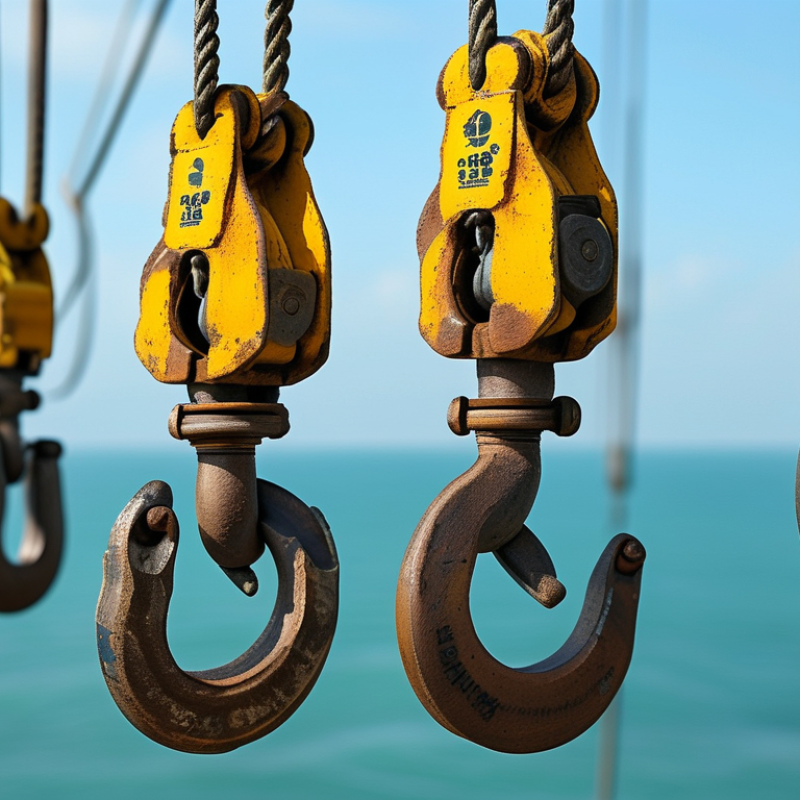
When choosing China rigging shackles, understanding the types available is crucial. There are several categories, including bow shackles, D-type shackles, and anchor shackles. Bow shackles offer a broader opening, making them ideal for lifting multiple loads. D-type shackles, with their straight sides, provide a more secure fit for single-point lifts. Anchor shackles are designed for marine applications, offering durability and resistance to corrosion.
Data from recent industry reports indicate that the shackle market has seen a steady growth rate of approximately 5% annually. This growth is driven by increasing demand in construction and shipping industries. Considering the material is essential too. Stainless steel shackles are favored for their strength and resistance to environmental factors. But be cautious; not all stainless steel grades are equal.
Tip: Always check the load rating of the shackle. A common mistake is underestimating this crucial factor. Also, inspect shackles for signs of wear or damage regularly. It's essential to ensure safety standards. Remember, selecting the right shackle can significantly impact operational safety and efficiency.
| Type of Shackle | Load Capacity (Tonnes) | Material | Safety Factor | Industry Application |
|---|---|---|---|---|
| Bow Shackle | 3 | Steel | 6:1 | Construction |
| D-Shackle | 5 | Aluminum | 5:1 | Marine |
| Chain Shackle | 10 | Alloy Steel | 7:1 | Mining |
| Anchor Shackle | 12 | Carbon Steel | 8:1 | Offshore |
| Quick Link Shackle | 2 | Stainless Steel | 4:1 | General Use |
Choosing the right rigging shackles is crucial. The selection process involves various key factors that can affect safety and efficiency. According to recent industry reports, up to 40% of rigging failures can be attributed to improper equipment choices. Contractors must understand the specific load requirements for their projects. Each shackle type offers different load capacities, materials, and safety features.
Material plays a significant role in shackle performance. Steel, for instance, is often favored for its strength. However, a recent study indicated that aluminum shackles are gaining traction due to their lightweight properties. The weight difference can impact ease of use. On the other hand, aluminum may not withstand heavy loads as effectively. Proper evaluation of environmental factors, like corrosion resistance, is also essential.
Another factor to consider is the shackle's design. Some designs offer higher safety margins. The safety factor or Working Load Limit (WLL) is a crucial metric. It is recommended that users select shackles with a safety factor at least five times the intended load. It's worth reflecting on previous mistakes; underestimating these factors can lead to catastrophic failures. Always prioritize thorough research to ensure reliability and safety.
This bar chart illustrates the importance rating of various factors to consider when selecting rigging shackles. Strength is rated the highest, while size variety is considered the least important based on general industry insights.
When selecting rigging shackles, understanding load capacity and safety standards is crucial. These factors determine how well the shackles can perform under pressure.
Load capacity refers to the maximum weight a shackle can safely handle. Overloading a shackle can lead to failure, risking not just the load but also the safety of personnel nearby.
Safety standards define the reliability of rigging equipment. These guidelines help ensure that shackles meet specific criteria for strength and durability. Look for shackles that conform to established industry standards. Using shackles that are not compliant may result in legal and safety issues.
It's essential to consider the operating environment as well. Exposure to extreme temperatures or corrosive substances can impact the integrity of shackles. Regular inspections are necessary. Even durable shackles can develop faults over time. Always be prepared to replace shackles that show signs of wear. Trusting your equipment is vital in maintaining a safe working environment.
When selecting rigging shackles, understanding materials and manufacturing processes plays a critical role. The most common materials for shackles include steel and aluminum. Steel shackles often use alloy steel, which can withstand substantial loads. A study by the American Society of Mechanical Engineers indicates that alloy steel has higher tensile strength, offering resilience under extreme conditions.
Manufacturing processes also impact the performance of shackles. Forging is commonly used to shape shackles, as it aligns the metal's grain structure. This method enhances strength and durability. According to industry reports, forged shackles can outperform cast alternatives by up to 40% in load-bearing capacity. However, engineering tolerances must be precise; slight deviations can lead to significant failure risks under load.
Additionally, surface treatments like galvanization or powder coating affect corrosion resistance. These treatments extend the shackles' lifespan in harsh environments. A study published in the Journal of Material Engineering emphasized that surface treatments could reduce corrosion rates by over 60%. When selecting shackles, reflect on how materials and processes can affect performance and safety. Understanding these factors is key to making informed choices.
When selecting rigging shackles from China, pricing and quality are key factors. First, explore different suppliers. Comparing multiple vendors helps identify reasonable price ranges. Prices can vary significantly based on material, size, and load capacity. Note any extreme pricing, whether too low or excessively high, as these may indicate quality issues.
Quality indicators are crucial in this process. Look for certifications like ISO or CE. These are markers of reliability and adherence to safety standards. Inspect the material type used in production. Stainless steel or carbon steel often provides better durability and performance. Evaluate customer reviews and ratings. They can offer insight into the shackle’s real-world application.
Remember to consider the intended usage. Heavy-duty applications require higher specifications. Not every shackle suits every task. They may not perform well under extreme conditions without proper testing. Real-life experiences shared by users can reveal potential flaws or advantages. Accessing genuine feedback can shine a light on what to expect. Understanding these factors allows for more informed decisions when choosing the right rigging shackles.
: Key factors include load requirements, material choice, design, and safety features. Understanding these dimensions is vital.
Material affects performance and strength. Steel offers durability, while aluminum is lightweight but may not handle heavy loads well.
Users should choose shackles with a safety factor at least five times the intended load. This can prevent failures.
Forging produces stronger shackles than casting by aligning the metal’s grain structure, greatly enhancing durability.
Treatments like galvanization boost corrosion resistance and can extend the lifespan of shackles in harsh environments.
Look for certifications like ISO or CE. These indicate adherence to safety and quality standards.
Prices vary by material, size, and load capacity. Compare suppliers to identify reasonable ranges and avoid extremes.
Customer reviews provide insights into real-world performance and potential issues, helping you make informed choices.
Underestimating can lead to catastrophic failures. Always prioritize thorough research to ensure safety and reliability.
Heavy-duty applications need higher specifications. Not all shackles suit every task, so thorough testing is essential.
When selecting a China Rigging Shackles Product, it is essential to understand the various types available in the market. This includes knowledge of their specific uses and characteristics. Key factors to consider include load capacity, safety standards, and the materials used in manufacturing. A thorough analysis of these elements can help ensure that the shackles you choose meet the necessary safety and performance requirements.
In addition, comparing pricing and quality indicators is crucial. Higher-quality shackles typically offer better durability and reliability, making them a worthwhile investment. By carefully evaluating these factors—types, capacity, materials, and cost—you can make an informed decision when purchasing a China Rigging Shackles Product that suits your needs.

Rui De Tai