When purchasing rigging equipment, understanding the options is vital. Among these, the Galvanised Rigging Screw stands out. This piece of hardware plays a crucial role in ensuring safety and reliability in various applications. Its design and materials contribute to long-lasting performance, especially in harsh conditions.
Global buyers often seek guidance when selecting the right Galvanised Rigging Screw. Various factors come into play, like the screw's tensile strength and corrosion resistance. These elements influence the overall quality and durability of the product. Yet, many overlook the importance of doing thorough research before making a purchase. It’s essential to recognize that not all galvanised rigging screws are created equal.
In an industry where standards are paramount, buyers should be cautious. Selecting low-quality products can lead to costly mistakes and potential hazards. Having insights into the market trends and product specifications can inform better decisions. Relying on expert opinions and credible reviews enhances confidence in your choice. Understanding the nuances of Galvanised Rigging Screws can lead to safer and more effective rigging solutions.
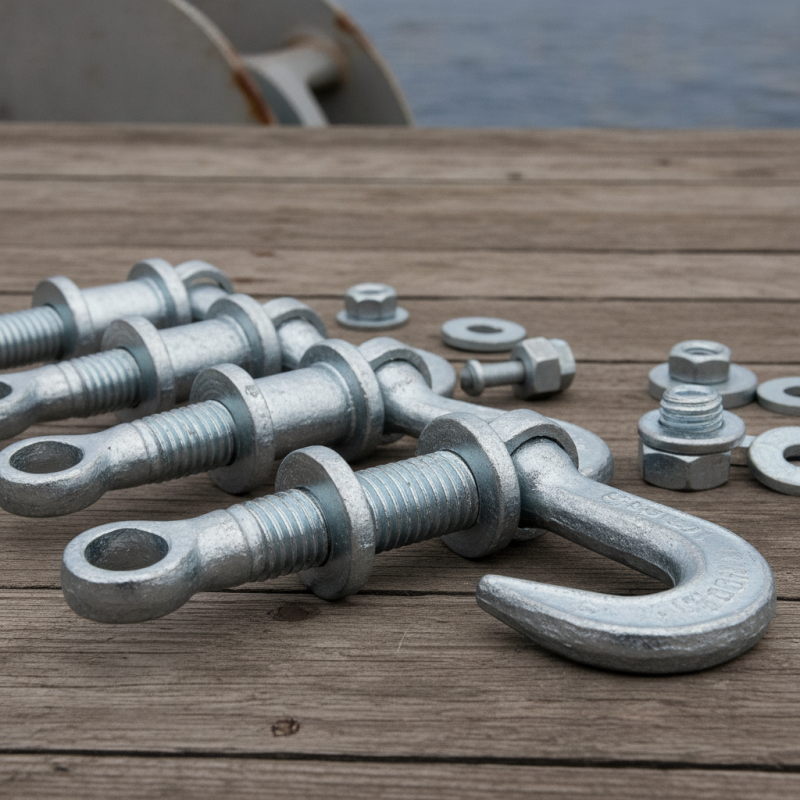
Galvanised rigging screws play a crucial role in the maritime, construction, and industrial sectors. These components are primarily designed for tensioning cables, ensuring they maintain the required stability and strength. Galvanisation offers corrosion resistance, significantly extending the screws' lifespan in harsh environments. Research shows that the global rigging market is expected to reach a valuation of $5 billion by 2026, underscoring the increasing demand for reliable rigging hardware.
Understanding the specifications of galvanised rigging screws is essential for buyers. These screws come in various sizes and load capacities. Common sizes range from 1/4 inch to 1 inch in diameter. They can support tensile loads up to 10,000 lbs, making them ideal for heavy-duty applications. Additionally, proper installation and regular maintenance are key. Any oversight in these areas can lead to safety hazards.
Moreover, the manufacturing process matters. High-quality screws are often produced under strict industry standards. Buyers should pay attention to certifications and material quality. A lack of awareness in these areas may result in unexpected failures. Galvanised rigging screws are a vital component, yet they require informed choices for optimal performance.
| Feature | Description | Material | Usage | Size Range | Corrosion Resistance |
|---|---|---|---|---|---|
| Type A Rigging Screw | Standard rigging screw with eye end for easy attachment. | Galvanised Steel | Ideal for marine applications and outdoor settings. | M4 to M20 | Excellent |
| Type B Rigging Screw | Rigging screw with a fork end for connecting with a shackle. | Galvanised Steel | Used in construction and marine environments. | M6 to M24 | Very Good |
| Type C Rigging Screw | Heavy-duty rigging screw designed for larger structures. | Galvanised Steel | Suitable for industrial and heavy-duty applications. | M10 to M30 | Outstanding |
| Adjustable Rigging Screw | Allows for fine adjustments in tensioning. | Galvanised Steel | Perfect for sailboat rigging and tension systems. | M5 to M18 | Excellent |
: They are used for tensioning cables in maritime, construction, and industrial sectors. Their role is crucial for stability.
Common sizes range from 1/4 inch to 1 inch in diameter, accommodating various applications and load capacities.
They can support tensile loads up to 10,000 lbs, suitable for heavy-duty applications like lifting and rigging.
Incorrect installation can lead to safety hazards. Attention to detail helps prevent failures and ensures reliable performance.
Regular inspections help detect corrosion and wear. Neglecting this can lead to unforeseen failures and reduced lifespan.
Common types include eye screws, jaw screws, and toggle screws, each serving specific functions in various applications.
Poor quality can lead to failures. Galvanised screws offer corrosion resistance, essential for longevity in harsh environments.
Operating within specified limits can reduce failure rates by up to 60%. It’s crucial for maintaining equipment safety.
It allows for precise tension management. Inadequate adjustments can lead to instability during operation.
Proper combinations ensure safety during lifting operations. Wrong alignments can lead to dangerous situations.
This article provides a comprehensive guide to Galvanised Rigging Screws, essential components widely used in various rigging applications. It begins with an overview that explains the benefits of galvanised steel in enhancing durability and resistance to corrosion. The discussion then categorizes different types of galvanised rigging screws available, detailing their specific applications across various industries.
Furthermore, the article highlights key features that buyers should consider when selecting rigging screws, such as tensile strength, size, and threading types. It also explores current global market trends influencing the demand for these components, alongside best practices for maintenance and inspection to ensure safety and longevity. Overall, this guide serves as a valuable resource for global buyers seeking to make informed decisions on Galvanised Rigging Screws.

 Rui De Tai