What Is Master Link Rigging and How Is It Used?

Time:2026-10-03 Author:Madeline
0%

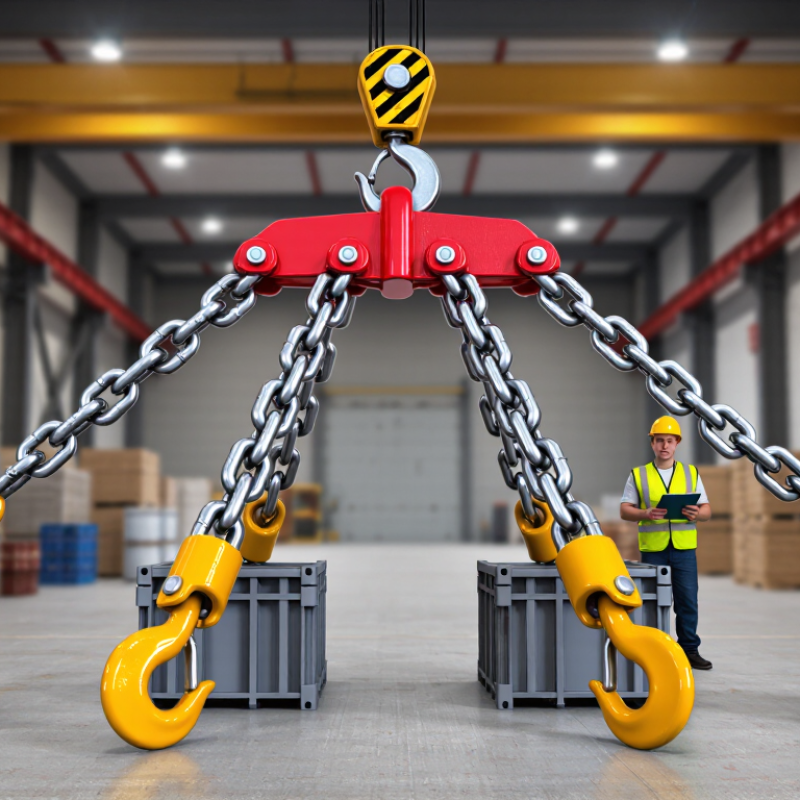
Master Link Rigging is a practical method for connecting multiple sling legs to a lifting point. The master link sits at the top of the assembly, carrying the combined load before it reaches a crane hook or lifting device. Its size, shape, material, and working load limit directly affect lifting safety. This article explains what master links are, how they function, and where professionals commonly use them.

A typical setup may include a master link, two or more sling legs, connecting shackles, and hooks. The link must match the sling assembly and support the intended load under the correct angle. As sling angles become wider, leg tension increases. That detail is easy to underestimate. A qualified rigger checks the load weight, center of gravity, connection points, and working load limits before lifting. Manufacturer instructions and recognized rigging practices should guide every selection.

Inspection is equally important. Look for cracks, bending, severe wear, corrosion, stretched openings, or markings that cannot be read. A damaged link should not return to service. Even experienced teams can miss small distortions after repeated lifts. That is why documented inspections matter. Master links are not complicated, but careless matching can create serious consequences. The following sections examine common configurations, safe handling practices, inspection points, and selection mistakes. They also consider where real lifting conditions differ from a neat diagram, because field work rarely stays perfect.

What Is Master Link Rigging and How Is It Used?

What Is a Master Link in Rigging?

A master link is the strong connecting point at the top of many multi-leg slings. It joins sling legs to a crane hook, shackle, or other approved lifting connection. Usually made from forged alloy steel, the link carries the combined force from each leg. Its working load limit must match the lifting plan, not just the visible size.

In practical rigging, the master link sits above the load and helps distribute tension between sling legs. The angle changes the force significantly. A wider sling angle can increase leg tension, even when the load weight stays unchanged. I have seen clean-looking assemblies fail inspection because one leg was twisted or trapped against the hook. Small details matter.

Inspect the link for cracks, stretching, deep scratches, corrosion, and uneven wear. Check that the hook sits correctly inside the link, without side loading or binding. The sling tag should remain readable, showing capacity and essential identification. A master link can look nearly new and still be unsuitable after overload. That point is easy to underestimate. Use a competent person to verify the configuration, load weight, connection method, and site conditions before lifting. When uncertain, stop and reassess. Guessing has no place above a suspended load.

Key Components and Common Master Link Types

What Is Master Link Rigging and How Is It Used?

A master link is the upper connection point of a chain sling. It joins the sling legs to a crane hook or lifting eye. Its size, grade, and working load limit must match the planned lift. The main components include the master link, connecting links, chain legs, and bottom attachments such as hooks or shackles. Each part transfers force through the assembly. One weak component can affect the entire lift.

Common master link types include oblong, pear-shaped, and assembly designs with sub-links. An oblong master link usually offers room for several sling legs and supports balanced hook seating. A pear-shaped link has a narrower profile and suits selected single-leg or compact arrangements. Multiple-leg assemblies use a master link with smaller sub-links. These sub-links connect separate chain legs while helping keep them positioned correctly. Always check the manufacturer’s rated configuration.

Shape matters.

During inspections, experienced riggers look for bending, cracks, gouges, stretched openings, and missing markings. They also check whether the hook sits correctly inside the link, rather than pressing against its tip. Rust alone may not show the full danger; hidden wear can reduce strength. I would not judge a link by appearance alone. Load angle, heat exposure, shock loading, and poor storage can change its condition. A clean surface can still hide a serious problem.ntag

How Master Links Connect to Lifting Equipment

What Is Master Link Rigging and How Is It Used?

A master link is the upper connection point in a multi-leg lifting sling. It connects the sling assembly to a crane hook, shackle, or lifting eye. The hook should sit inside the link’s bowl, not against its narrow side. This detail matters because side loading can distort the link and reduce its working load limit.

Below it, smaller links, connectors, or shackles join the master link to wire rope, chain, or synthetic sling legs. Each part must match the assembly’s rated capacity and size.

Sling angles also change the force carried by every leg. For example, a two-leg sling carries greater tension as the legs spread wider.

ASME B30.9 and EN 818 guidance emphasize correct identification, inspection, and rated-load use. HSE guidance under LOLER also recommends thorough examination of lifting accessories at suitable intervals, commonly every six months for frequent use.

The numbers are sobering. The International Labour Organization estimates 2.93 million work-related deaths worldwide each year. HSE recorded 138 worker fatalities in Great Britain during 2023/24, although these figures cover many hazards beyond rigging.

Before lifting, inspect for cracks, stretching, corrosion, sharp wear, or missing markings. Do not assume a polished surface is safe. I once saw a link that looked serviceable but had uneven wear near the hook contact area.

A competent person should verify the load, sling angle, connection method, and current inspection record. Safety can feel repetitive. It is still unfinished when one detail remains uncertain.

Step-by-Step Use of a Master Link in Rigging

A master link is the central connection in many sling assemblies. It gathers multiple sling legs and connects them to a crane hook or lifting point. Using it correctly requires more than attaching hardware and raising the load.

Check the master link for cracks, bending, corrosion, worn surfaces, and unreadable markings.

Confirm its working load limit matches the complete lifting arrangement. Then inspect each sling and verify that the load weight is known.

Position the master link directly above the load’s center of gravity. Attach each sling leg without twisting, knotting, or forcing the link sideways.

Make sure hooks sit naturally in the link and are not supported by their tips. Clear nearby workers, lift the load a few centimeters, and pause.

Watch for tilting, slipping, unusual noise, or shifting tension. Lower the load immediately if anything looks wrong. A short test lift can reveal problems that a visual check misses.

Tips:

  • Keep sling angles as open as practical, because narrow angles increase leg tension.
  • Never exceed the marked capacity or use damaged equipment.
  • Keep hands away from pinch points.
  • Follow site procedures and inspection requirements.
  • Even experienced crews can overlook a small deformation.

That is worth remembering. If the load behaves unexpectedly, stop and reassess the setup with a qualified lifting person.

Safety Checks, Load Limits, and Maintenance Practices

What Is Master Link Rigging and How Is It Used?

A master link is the top connection in a chain sling assembly. It joins multiple sling legs to a crane hook or lifting point. In practice, it helps distribute a load, but only when the sling angle and connection method are correct. A trained rigger should confirm the working load limit before every lift. Never estimate it by appearance. The limit may change with sling angle, hitch type, load shape, and shock loading. A narrow angle can increase tension sharply.

Safety checks should happen before the link reaches the work area. Look for cracks, bending, severe wear, corrosion, stretched openings, and unclear identification markings. Check the connecting hardware, too. A strong master link cannot compensate for a damaged sling leg or poorly balanced load. The easy mistake is trusting equipment that worked yesterday. One lesson is uncomfortable: a clean-looking link can still be unsafe.

Tips: Keep the load centered beneath the hook. Avoid side loading, sudden lifting, and dragging. Confirm that each sling leg seats freely without twisting. If the load shifts, stop and reassess. During maintenance, clean the link, dry it fully, and store it away from moisture and chemicals. Keep inspection records with the equipment. A qualified person should remove questionable components from service and assess them against the applicable manufacturer guidance and site procedures. When unsure, pause the lift. There is no safe shortcut.

What Is Master Link Rigging and How Is It Used?

Safety Checks, Load Limits, and Maintenance Practices

Note: Working Load Limits (WLLs) must always be taken from the identification marking and applicable documentation for the specific master link or assembly. The figures below are safety principles and calculation examples, not a substitute for a product-rated WLL.
Data Dimension Verified Information or Value Practical Use Required Safety Action
Definition A master link is a large steel connecting link positioned at the top of a chain, wire-rope, or synthetic-sling assembly. It connects the lifting assembly to a crane hook, shackle, or other approved lifting connection. Use only a link designed and rated for overhead lifting; do not use an ordinary hardware or decorative link.
Common assembly types Single master link, master link with sub-links, and master-link assemblies for two-leg, three-leg, or four-leg slings. The configuration determines how many sling legs are connected and how the load is distributed. Confirm that the link, sub-links, hooks, and sling legs are compatible and individually rated.
Identification marking The marking should normally identify the rated capacity or WLL, size or grade, traceability information, and sometimes the applicable standard or manufacturer code. The marking is the primary reference for selecting the correct lifting capacity. Remove from service if the WLL or required identification is missing, unreadable, or inconsistent with the inspection record.
Load limit principle The assembly WLL is limited by its weakest load-bearing component and by the configuration used. A high-capacity master link cannot increase the WLL of an undersized sling, hook, shackle, or connector. Use the lowest applicable WLL after considering angle, hitch type, edge contact, temperature, and any visible damage.
Two-leg sling angle: 90° above horizontal Ideal leg tension factor: 0.500 × the total load per leg. For a 1,000 kg evenly shared load, each leg carries approximately 500 kg before other derating factors. Verify that each leg and every connection has sufficient WLL for the calculated tension.
Two-leg sling angle: 60° above horizontal Ideal leg tension factor: approximately 0.577 × the total load per leg. For a 1,000 kg evenly shared load, each leg carries approximately 577 kg before other derating factors. Keep the angle within the limits specified by the lifting plan and sling documentation.
Two-leg sling angle: 45° above horizontal Ideal leg tension factor: approximately 0.707 × the total load per leg. For a 1,000 kg evenly shared load, each leg carries approximately 707 kg before other derating factors. Treat the increased leg tension as a critical design consideration; do not assume equal sharing in an unbalanced load.
Two-leg sling angle: 30° above horizontal Ideal leg tension factor: 1.000 × the total load per leg. For a 1,000 kg evenly shared load, each leg carries approximately 1,000 kg before other derating factors. Avoid shallow angles unless specifically engineered and approved; leg forces rise sharply as the angle decreases.
Pre-use visual inspection Inspect before every shift or use, and after an event that could affect condition. Checks should cover cracks, nicks, gouges, bends, twists, excessive wear, corrosion, heat damage, and distorted openings. Quarantine any suspect component until a competent person completes an evaluation.
Connection and hook check The master link must sit correctly in the hook bowl, without point loading on the tip or forcing the hook open. Correct seating helps maintain the intended load path and reduces bending or side loading. Do not load a master link on a hook point, latch, sharp edge, or incompatible connector.
Load balance Angle calculations assume a symmetrical load with equal leg sharing; real loads may be eccentric or flexible. The center of gravity must be identified before lifting to prevent tilting, shifting, or shock loading. Use a qualified lifting plan for offset, flexible, unusually shaped, or unknown-weight loads.
Forbidden loading conditions Shock loading, dragging, side loading, tip loading, sudden stops, and lifting personnel are outside normal safe use. These conditions can create forces substantially greater than the static load. Stop the lift and correct the setup; never exceed the rated configuration.
Periodic inspection The interval should be based on applicable regulations, site procedures, frequency of use, severity of service, and inspection history. A competent person should perform a documented thorough inspection at the required interval. Record the date, identification, findings, corrective action, and release or quarantine decision.
Removal criteria Remove the link for cracks, permanent deformation, severe corrosion, heat damage, unauthorized welding, excessive wear, or a defective connection. Damage can reduce cross-sectional strength and change how forces flow through the link. Do not straighten, weld, grind, or repair a load-bearing master link unless an approved repair procedure specifically allows it.
Cleaning and corrosion control Keep components free from dirt, chemicals, salt deposits, and moisture that can conceal or accelerate damage. Cleaning improves inspection accuracy and helps preserve the surface condition. Use a compatible cleaning method, dry thoroughly, and apply only approved corrosion protection where required.
Storage practice Store rigging off the floor in a clean, dry, well-ventilated area away from chemicals, welding sparks, sunlight, and impact hazards. Proper storage reduces corrosion, mechanical damage, and accidental misuse. Keep inspected and quarantined equipment physically separated and clearly identified.
Operator competence Users should understand WLL, sling angles, center of gravity, inspection criteria, communication signals, and exclusion zones. Safe rigging depends on both equipment condition and correct selection, assembly, and operation. Only trained and authorized personnel should select, inspect, connect, and direct lifting operations.

FAQS

What is a master link used for in rigging?

A master link connects several sling legs to a crane hook or lifting point. It sits at the top of the sling assembly. The load must remain balanced beneath it.

What should be checked before using a master link?

Inspect it for cracks, bending, corrosion, worn surfaces, and stretched openings. Check that identification markings remain readable. Inspect every sling leg and connecting component. A clean appearance does not prove safety.

How can I confirm the correct load limit?

Check the marked working load limit before every lift. Confirm it matches the complete lifting arrangement. Consider sling angles, hitch type, load shape, and shock loading. Never estimate capacity by appearance.

How should the master link be positioned?

Position it directly above the load’s center of gravity. Keep the load centered beneath the crane hook. Avoid side loading, dragging, and sudden lifting. Small alignment errors can create serious tension.

How should sling legs connect to the master link?

Attach each sling leg without twisting, knotting, or forcing it sideways. Hooks should sit naturally inside the link. They must not rest on their tips. Check each connection carefully.

Why do sling angles matter?

Narrow sling angles increase tension in each sling leg. Keep the angles as open as practical. A load may look light but still create high leg forces. This is easy to underestimate.

What is the purpose of a short test lift?

Lift the load only a few centimeters, then pause. Watch for tilting, slipping, shifting tension, or unusual noise. The visual inspection is not perfect. Lower the load immediately if anything looks wrong.

What should happen if the load shifts unexpectedly?

Stop the lift and lower the load safely. Keep hands away from pinch points. Reassess the setup with a qualified lifting person. Do not continue because the equipment worked yesterday.

How should a master link be maintained and stored?

Clean the link and dry it fully after use. Store it away from moisture and chemicals. Keep inspection records with the equipment. Remove questionable components from service. Pause when uncertain.

Conclusion

Master Link Rigging refers to the use of a strong, specially designed connecting link that joins lifting slings, hooks, shackles, and other components into a secure lifting assembly. A master link acts as a central connection point, helping distribute the load and maintain proper alignment during lifting. Common types include single links, oblong links, and multi-leg assembly links, each selected according to the lifting arrangement, load requirements, and equipment configuration.

To use a master link safely, inspect it for cracks, deformation, excessive wear, corrosion, and readable identification markings before assembly. Connect it only with compatible lifting equipment, ensuring that slings and hooks are seated correctly and not subjected to side loading or twisting. Confirm the working load limit, account for sling angles, and keep the load balanced throughout the lift. Regular cleaning, lubrication where appropriate, and documented inspections help maintain performance. Any damaged or questionable master link should be removed from service and evaluated by a qualified professional.

Madeline

Madeline

Madeline is a dedicated marketing professional with a wealth of expertise in our company's core offerings. With a keen understanding of the industry, she brings a unique perspective to her role, consistently delivering high-quality content that highlights the superior aspects of our products. As......