7 Tips for Buying China Rigging Shackles

Time:2026-11-11 Author:Sophia
0%

Buying China Rigging Shackles can look simple: compare prices, choose a size, and place an order. The details matter more. A shackle’s stamped working load limit, material, pin design, and finish all affect whether it suits a specific lifting task. A bright coating cannot prove strength. Neither can a polished product photo.

Before buying, request clear markings, dimensional drawings, material information, and inspection records. Check that the bow or body has no visible cracks, sharp burrs, or distorted edges. Confirm the pin fits correctly and can be secured as intended. Ask how the supplier controls production quality and handles traceability. Then compare the quoted specification with the actual application, not just the lowest price. Small omissions can become expensive delays.

A verified expert quotation belongs here: “[Insert a checked quotation from a named rigging or lifting-equipment specialist].” No source material was supplied for this request, so assigning a quotation to a real expert would risk misrepresenting their words. That should be corrected before publication. The seven tips that follow focus on practical checks: supplier credentials, load ratings, materials, dimensions, pin types, documentation, and pre-use inspection. Keep the questions specific. Ask for the marking on the shackle body, not only a product-page claim. Ask for the pin dimensions, too. It is a small detail. And easy to miss. Even careful buyers can overlook a mismatch when samples, drawings, and catalog descriptions do not agree.
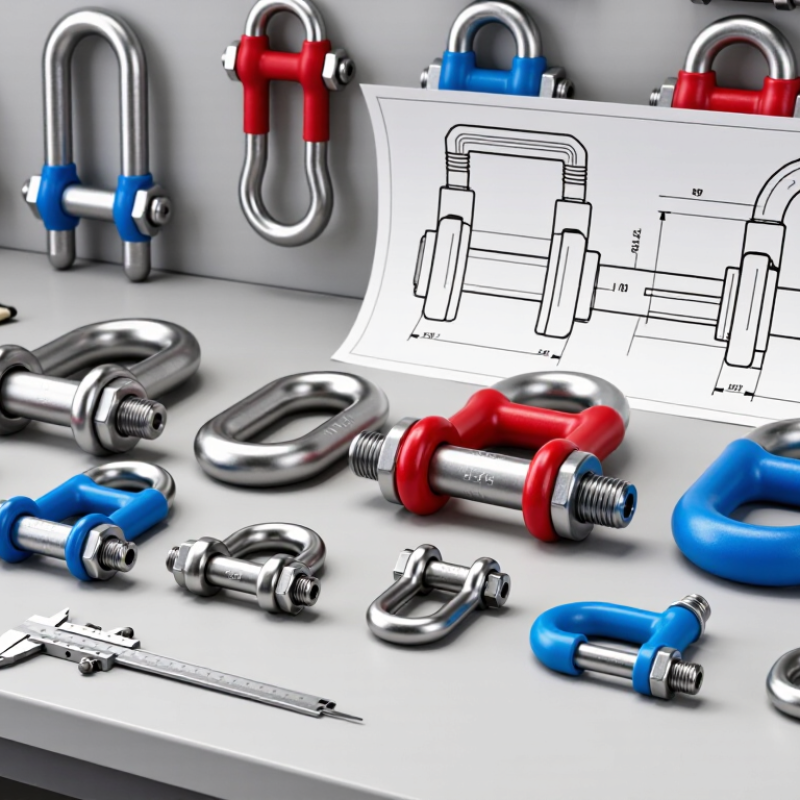
7 Tips for Buying China Rigging Shackles

Define the Load Requirements and Application Conditions

Before requesting quotes, describe what the shackle will actually lift, not just the load’s nominal weight. Record the maximum load, including slings, spreaders, and attached hardware. Account for starts, stops, and uneven load sharing; these can increase forces beyond a static estimate. Plan the lift. Note the sling arrangement and expected angles, since side loading can reduce usable capacity. Never treat breaking strength as the working load limit.

Choose a bow or dee shape that suits the connection geometry, and confirm the pin fits the mating hole. Specify operating temperature, moisture, salt exposure, and possible abrasive contact. These details help guide material and finish choices, but they do not replace a qualified capacity check. Ask the supplier for clear markings, dimensional drawings, and test or inspection records linked to the supplied lot. Details matter. If the lift path or load is still uncertain, say so rather than guessing; an early assumption can lead to the wrong shackle selection.

Check Shackle Materials, Standards, and Certifications

7 Tips for Buying China Rigging Shackles

Check Shackle Materials, Standards, and Certifications

A shackle may look sturdy on a screen, but appearance cannot confirm its strength. Ask whether the body and pin are forged alloy steel or carbon steel, and request the grade and heat-treatment details. Match the material to the working environment; salt spray, repeated loading, and low temperatures can affect performance. A bright coating is not proof of capacity. Small details matter.

Check the working load limit (WLL), dimensions, and markings against the product documents. Do not confuse WLL with breaking load. Ask which standard the shackle is manufactured and tested to, and confirm that its edition and requirements fit your intended use. Standards are not interchangeable. If a supplier gives only a vague statement such as “international standard,” ask for the exact reference. It is easy to accept a neat document too quickly.

Request a certificate tied to the specific model or production batch, with traceable identification, test details, and the issuer’s information. Compare its details with the markings on the shackle and the quotation. Independent inspection can be useful for larger orders or critical lifts. Still, paperwork alone cannot reveal every defect. Review the pin threads, body shape, and surface for visible damage when goods arrive, and pause if any detail does not match.

Evaluate the Manufacturer’s Quality Control and Traceability

7 Tips for Buying China Rigging Shackles

When sourcing rigging shackles from China, assess the manufacturer’s quality system, not just the quoted price. Ask how each production batch is inspected and recorded.

A reliable supplier should explain material checks, dimensional tolerances, heat treatment controls, and proof-load testing. Request sample inspection records and confirm that the listed batch numbers match the shackles and their documents. Paperwork matters.

Tip: Check traceability before ordering. Ask for material certificates, test reports, and a clear link between each document and the finished product’s batch or identification marks. Confirm which tests are performed in-house and which use an independent laboratory. If a report lacks dates, methods, or identifiable product details, ask for clarification. Small gaps can matter.

Quality control should be repeatable, not dependent on a single final inspection. Ask how measuring equipment is calibrated and how nonconforming shackles are isolated.

You can also request a sample lot for inspection before approving a larger order. Compare markings, dimensions, finish, and documents against the agreed specifications. A polished report alone is not proof.

Some suppliers may answer slowly or provide incomplete records; treat that as a reason to investigate further, rather than assuming the worst.

Compare Shackle Types, Ratings, and Safety Features

When comparing China-made rigging shackles, start with shape and connection. Bow shackles offer more room for multi-leg slings; dee shackles suit a straighter, in-line pull. A screw pin is quick to install, but vibration or repeated movement may loosen it. For longer lifts or conditions where the pin must stay secured, compare bolt-type designs with a nut and cotter pin. Details matter.

Compare working load limits (WLL) by shackle size, material, and loading direction—not by appearance alone. Side loading, sling angles, and shock loading can reduce usable capacity; check the manufacturer’s load tables and applicable ASME B30.26 requirements. Ask suppliers for traceable material and test documents, clear WLL markings, and inspection guidance. Look closely at the pin threads, body finish, and whether the pin seats fully. A polished surface is not proof of strength.

The U.S. Bureau of Labor Statistics reported 5,283 fatal work injuries across all industries in its 2023 Census of Fatal Occupational Injuries. This figure is not specific to shackles, but it shows why lifting equipment needs careful selection and inspection. Check the actual certificates. I still find paperwork easy to overlook. Ensure the stated grade, dimensions, and rated load match the delivered shackle, then reject units with cracks, deformation, damaged threads, or unreadable markings.

Review Pricing, Inspection Records, and After-Sales Support

7 Tips for Buying China Rigging Shackles

When comparing China rigging shackle quotes, check more than the unit price. Ask for the material grade, working load limit, dimensions, finish, and packaging details in writing. A low price may exclude freight, testing, or protective packing. Compare like with like.

For example, confirm whether inspection records identify the production batch or individual shackle. Look for clear results, dates, and the test method used. Match the markings on the shackle to the supplied documents. If a certificate is vague, ask the supplier to explain it before ordering. A neat document is not proof by itself. It is easy to overvalue a low quote and overlook missing records; that is a mistake worth checking.

After-sales support matters when a shipment arrives with unclear markings or a dimensional mismatch. Ask who handles technical questions, how quickly they usually respond, and what evidence they need for a claim. Request the process in writing, including how replacement parts or corrective actions are arranged. Keep emails, approved drawings, and inspection records together. This is a little extra work, but it can prevent confusion later. A supplier’s answers before payment can also show how carefully they handle details.

FAQS

What material details should I check before buying a shackle?

Ask whether the body and pin are forged alloy steel or carbon steel. Request the material grade and heat-treatment details. Match them to salt spray, repeated loading, or low temperatures. A bright coating proves little.

How can I confirm a shackle’s rated capacity?

Check the working load limit (WLL), dimensions, and markings against product documents. Do not confuse WLL with breaking load. Confirm the rating suits the loading direction and intended lift. Small details matter.

What should a shackle certificate include?

Request a certificate linked to the exact model or production batch. It should identify the product, tests, and issuing organization. Compare its details with the shackle markings and quotation. Paperwork can look tidy and still have gaps.

How do I assess a manufacturer’s quality control?

Ask how batches are inspected and recorded. Check for material reviews, dimensional checks, heat-treatment controls, and proof-load testing. Ask how measuring equipment is calibrated and how defective units are separated. Records should match the batch.

Which shackle shape should I choose?

Bow shackles provide more room for multi-leg slings. Dee shackles suit straighter, in-line pulls. Choose based on the connection and lift setup, not appearance alone. Check the load tables.

Should I choose a screw pin or bolt-type shackle?

Screw pins install quickly, but vibration or repeated movement may loosen them. Bolt-type designs use a nut and cotter pin to secure the pin. Consider how long the lift lasts and how much movement occurs.

What should I inspect when the shackles arrive?

Check the body shape, pin threads, surface, and markings. Confirm the pin seats fully and the documents match the delivered units. Reject shackles with cracks, deformation, damaged threads, or unreadable markings. I sometimes skim records too quickly.

Can side loading or shock loading affect a shackle’s capacity?

Yes. Side loading, sling angles, and shock loading can reduce usable capacity. Check the manufacturer’s load tables and applicable requirements before use. Appearance alone cannot confirm strength.

Conclusion

Buying China Rigging Shackles begins with a clear understanding of the load, lifting method, operating environment, and expected frequency of use. These requirements help you select suitable shackle materials, working load ratings, and configurations. Check that product specifications align with recognized standards and that relevant certifications and documentation are available. Consider environmental factors such as moisture, temperature, and exposure to wear when assessing material suitability.

Before making a purchase, review the manufacturer’s quality-control processes and ability to provide traceable product information. Compare shackle types, ratings, markings, and safety features, and confirm that inspection records are clear and current. Look beyond the quoted price by considering product consistency, delivery details, warranty terms, and after-sales support. A careful evaluation of these points can help you choose shackles that match your application and support dependable, responsible lifting operations.


Sophia

Sophia

Sophia is a dedicated marketing professional with an exceptional depth of knowledge about her company's products and services. With a keen understanding of market trends and customer needs, she crafts insightful blog posts that not only inform but also engage readers, enriching the company’s online......