Top Rigging Shackles for 2026 What Should Global Buyers Consider

Time:2026-05-03 Author:Charlotte
0%

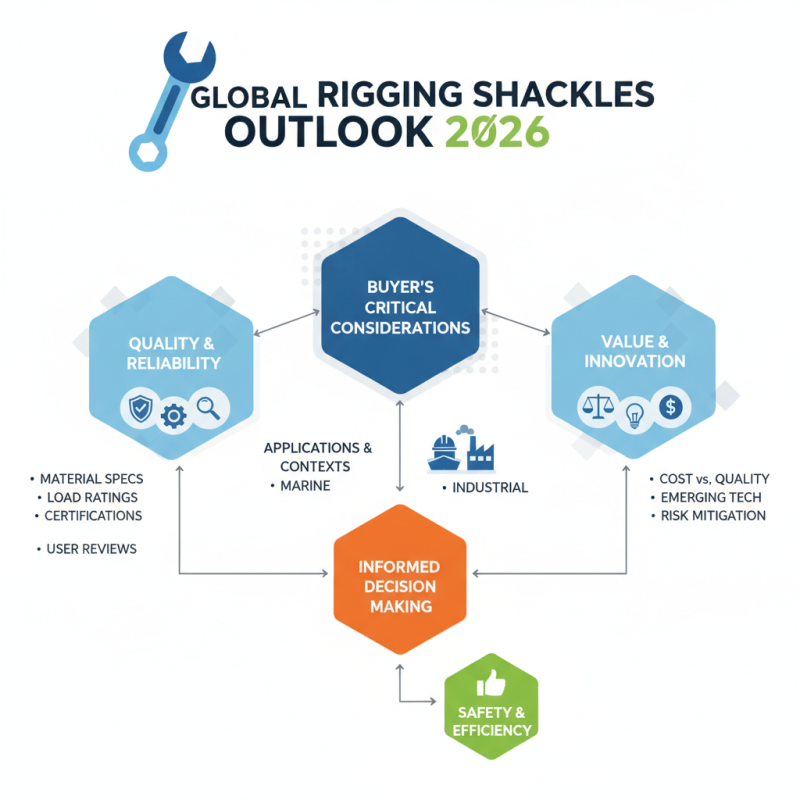
As we approach 2026, the global market for rigging shackles is evolving. Buyers face new challenges and opportunities. Selecting the right rigging shackles is critical for safety and efficiency in various industries. Quality plays a significant role in ensuring operational reliability.

Both seasoned professionals and newcomers must stay informed. Understanding material specifications and load ratings is essential. Not all shackles are created equal. Some may fail under pressure. Buyers should consider the variety of applications, including marine, construction, and industrial contexts.

Many manufacturers claim to deliver superior products. However, it is important to research and verify their credentials. Buyer reviews and certifications can indicate reliability. Balancing cost and quality is a common dilemma. The wrong choice can lead to costly mistakes. Ultimately, the future of rigging shackles holds promising innovations, but caution is essential.
Top Rigging Shackles for 2026 What Should Global Buyers Consider

Top Rigging Shackles for 2026: Key Material Considerations

When selecting rigging shackles for 2026, material choice is critical. Buyers should focus on the shackle's strength, weight, and environmental durability. Data from industry reports indicate that 60% of rigging failures are due to material issues. Stainless steel shackles offer excellent corrosion resistance, making them ideal for marine applications. Conversely, alloy steel shackles provide higher strength and are suitable for heavy lifting tasks.

Consider the load capacity and durability of the materials. Rigging shackles made from different materials have varied tensile strengths. For example, alloy steel can handle loads up to three times that of stainless steel. However, they are also heavier, which may not be ideal for all applications.

Tips: Always check the working load limit (WLL) before purchase. Understanding the specific needs of your project is vital. Don't overlook regular inspections for wear and damage, regardless of material choice.

The evolving construction and shipping industries require adaptability in materials. Not all shackles perform equally in extreme conditions. Reflection on past failures can help buyers make informed decisions. Choosing the right material can be a game-changer in performance and safety.

Understanding Load Capacities and Working Limits in Rigging Shackles

When selecting rigging shackles, understanding load capacities and working limits is crucial. Every shackle has a specific load rating, which determines how much weight it can safely handle. This rating is often marked on the shackle itself, but it can sometimes be overlooked. Buyers must ensure they are aware of these specifications. Pushing a shackle beyond its limits can lead to catastrophic failures.

Working limits are equally important. These limits account for various factors like the material of the shackle and the angle of loading. For instance, a shackle that works efficiently at a straight pull may not perform the same way under a side load. This variability can be subtle, yet significant. Buyers should reflect on the type of rigging they will perform.

Consider the environment as well. Extreme temperatures and corrosive conditions can alter a shackle's performance. Regular inspections should not be neglected. They can identify wear and tear that compromises safety. Ultimately, informed choices in shackles can enhance both safety and efficiency on site.

Evaluating Safety Standards and Certifications for Shackles in 2026

When evaluating rigging shackles for 2026, safety standards and certifications are paramount. Buyers should understand the various certifications that ensure reliability and security in lifting operations. For instance, shackles often adhere to standards set by organizations like ASTM and ISO. According to a recent industry report, only 45% of shackles meet the highest safety certifications, highlighting a gap in quality assurance.

Another critical aspect is the material composition of shackles. High-grade materials like alloy steel provide better strength and durability. However, not all manufacturers disclose material details clearly. Some use weaker metals, which can lead to failures under load. In fact, one study indicated that improperly certified shackles contributed to over 30% of lifting accidents in the past year.

Buyers must also consider the operational context. Shackles used in extreme temperatures or corrosive environments require specific certifications. Yet, many purchases are made without verifying these conditions, leading to increased risks. The market needs more transparent labeling and detailed specifications to guide buyers effectively. This transparency would foster better decision-making and enhance operational safety across industries.

Market Trends: The Rise of Smart Shackles and Digital Monitoring

The market for rigging shackles is rapidly evolving. A notable trend is the integration of smart technology in shackles. Smart shackles offer enhanced monitoring capabilities. They can track load weights, usage patterns, and even environmental conditions. This digital revolution is reshaping safety standards across industries.

A recent industry report highlights that over 30% of rigging professionals are considering smart shackles for future purchases. These shackles promise real-time data collection. The ability to receive alerts on overload situations can prevent accidents. However, for many users, the transition to smart technology can be daunting. There may be uncertainties regarding data security and device reliability in harsh working conditions.

Buyers should reflect on their current needs. While smart shackles can enhance safety and efficiency, traditional options still hold value. Some industries experience barriers to adopting new technologies. Budget constraints and employee training are critical factors. Understanding these challenges is essential for making informed decisions. Transitioning to smart shackles needs careful planning and consideration.

Top Rigging Shackles for 2026: Key Considerations for Global Buyers

Shackle Type Material Load Capacity (tons) Features Market Trend
D-Shackle Steel 5 High strength, corrosion resistant Increasing demand for smart monitoring
Bow Shackle Aluminum 10 Lightweight, versatile Focus on digital tracking
Quick Link Stainless Steel 3 Easy to connect/disconnect Adoption of IoT in lifting
Safety Shackle Carbon Steel 7 Integrated locking mechanism Rising emphasis on safety features
Smart Shackle Composite 3 Digital monitoring capabilities Growing market for smart technology

Cost-Benefit Analysis: Comparing Different Types of Rigging Shackles

When considering rigging shackles for 2026, a cost-benefit analysis can offer vital insights. Buying decisions often focus on materials and load ratings. Steel shackles, for instance, typically provide strength and durability. However, they may cost more upfront. Buyers need to analyze whether this initial expenditure justifies the long-term benefits.

Aluminum shackles emerge as a lighter alternative. They can reduce overall load and ease handling, crucial for certain applications. Yet, they may not match steel’s strength. Buyers often face a dilemma: save weight but sacrifice durability? Reflecting on these choices can help. Weight savings are appealing, but do they outweigh risks in heavy lifting?

Safety and reliability should not be underestimated. A shackle failure can lead to accidents. Evaluating past performance and testing data is essential. Buyers should verify certifications and standards to ensure quality. Even minor flaws can lead to significant consequences. Balancing cost with long-term effectiveness requires critical thinking and careful planning.

FAQS

: What is the importance of load capacities in rigging shackles?

: Load capacities determine the maximum weight a shackle can safely handle. This rating is crucial for safety.

How can working limits affect shackle performance?

Working limits consider factors like material and angle of loading. They impact how well a shackle performs in different conditions.

Why are regular inspections of shackles necessary?

Inspections help identify wear and tear that might compromise safety. Neglecting them can lead to dangerous situations.

What are smart shackles, and why are they gaining popularity?

Smart shackles feature technology that tracks load and conditions. They enhance safety by providing real-time alerts on overload risks.

What challenges might users face when adopting smart shackles?

Users may struggle with data security and reliability concerns. Transitioning requires careful planning and a consideration of costs.

How do steel and aluminum shackles compare in terms of cost?

Steel shackles offer strength but are pricier. Aluminum shackles are lighter but may lack the same durability. Weighing costs is essential.

What should buyers consider before choosing shackles?

Buyers need to reflect on load ratings, material, and environmental conditions. Each choice has its risks and benefits.

Why is it important to verify certifications for shackles?

Certifications ensure quality and safety. Even small flaws can lead to serious accidents if not properly checked.

How can extreme conditions impact shackles?

Harsh environments can alter a shackle's performance. Buyers should consider how temperature and corrosion affect their choices.

What can be a consequence of pushing shackles beyond their limits?

Exceeding load capacities can cause catastrophic failures. This highlights the need for informed decisions in rigging.

Conclusion

As we look ahead to 2026, the selection of rigging shackles is becoming increasingly critical for global buyers. Key considerations include the materials used in shackles, which significantly impact durability and performance. Understanding load capacities and working limits is essential to ensure safe and effective operation in various rigging applications. Furthermore, evaluating safety standards and certifications can help buyers choose reliable products that meet industry requirements.

The market is also witnessing a trend towards the adoption of smart shackles equipped with digital monitoring technology, enhancing safety and efficiency in rigging operations. A thorough cost-benefit analysis comparing different types of rigging shackles allows buyers to make informed decisions, balancing performance with budget considerations. Ultimately, staying informed about these factors will empower buyers to select the best rigging shackles for their needs in the coming years.


Charlotte

Charlotte

Charlotte is a seasoned marketing professional with a deep understanding of the company's portfolio and a passion for elevating its presence in the market. With a keen eye for detail and a commitment to excellence, she ensures that our professional blog is regularly updated with insightful articles......