Choosing the right equipment for lifting tasks is crucial. This is particularly true when it comes to “China Rigging With Shackles.” According to the International Association of Rigging Professionals (IARP), improper rigging can lead to accidents, costing companies millions in damages. The right choice of rigging equipment ensures safety and efficiency.
The global rigging market is projected to grow substantially. A recent report by MarketsandMarkets estimates it will reach $10 billion by 2027. Despite the growth, many users are unsure what to look for in rigging equipment. For example, the quality of shackles can vary widely. Some may fail under stress, while others provide reliability. Educating yourself on these factors is essential.
Furthermore, selecting the wrong shackle can lead to serious consequences. It is crucial to consider factors like load capacity, material strength, and certification standards. The decision you make impacts not only your project’s success but also the safety of your crew. Reflecting on past equipment choices may reveal gaps in knowledge or options overlooked. This introduction sets the stage for exploring essential tips for choosing China Rigging With Shackles effectively.
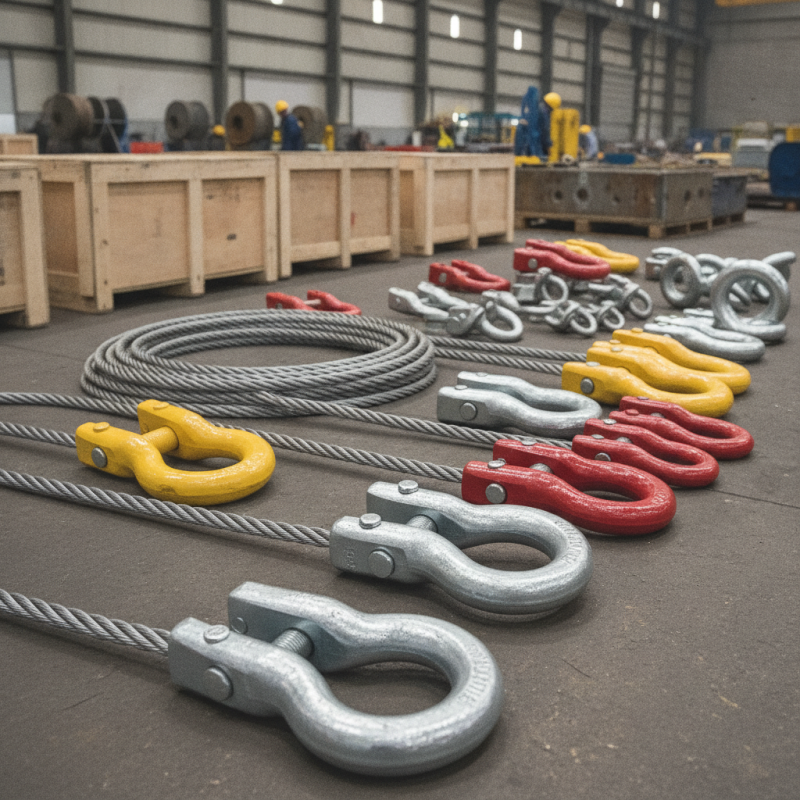
Understanding the Different Types of Shackles in Rigging Equipment
When selecting shackles for rigging, understanding their types is essential. The most common types of shackles are pin shackles, bolt-type shackles, and screw pin shackles. Each type has its specific use cases, strengths, and weaknesses. Pin shackles are great for static loads, while bolt-type ones perform better under dynamic conditions.
Screw pin shackles are versatile and easy to operate. However, they may come loose under certain conditions. Regular inspection is crucial. Ensure that shackles are appropriate for the load type and weight. Many users overlook the importance of load ratings, which can lead to dangerous situations.
Always opt for shackles made from high-quality materials. Stainless steel and alloy steel are ideal choices, ensuring strength and durability. Yet, remember that even the best materials can fail if installed incorrectly. The choice of shackles can significantly affect safety and efficiency in rigging operations. Stay informed about the various options available. This knowledge can lead to better decisions in equipment selection.
Key Specifications to Consider When Selecting Shackles for Rigging
When selecting shackles for rigging in China, several specifications warrant close examination. Tensile strength is crucial. Shackles are often rated by their maximum load-bearing capacity. A common standard is the working load limit (WLL), which should be at least five times the anticipated load. According to the
American Society of Mechanical Engineers (ASME), safety factors are crucial for high-stress applications.
Material type also plays a significant role. Steel, particularly high-tensile steel, is favored for its durability. However, stainless steel options are available for environments prone to corrosion. Selecting the right material can significantly impact the lifespan and reliability of the rigging system. Visual inspection should never be overlooked. Cracks and deformities can indicate weakness, putting operations at risk.
Additionally, the shape and design of the shackle influence performance. D-shackles provide better load distribution compared to bow shackles, which can handle a wider range of angles. Always consider whether your application requires specific certifications, as certain industries mandate compliance with stringent standards. Ignoring these details could lead to costly accidents or equipment failures.
Assessing the Load Capacity and Safety Factor of Rigging Shackles
When choosing rigging shackles in China, it's critical to assess their load capacity and safety factors. Load capacity refers to the maximum weight a shackle can handle. Always check the specifications provided by manufacturers. Ensure that the shackle can safely support the intended load. Overloading can lead to dangerous failures.
Safety factor is another key consideration. It indicates how much more weight the shackle can safely carry beyond its rated capacity. A typical safety factor ranges from 5:1 to 8:1 for most applications. This means if a shackle has a capacity of 10 tons, it should ideally support between 50 to 80 tons before failing. Such margins assure safety during operations.
Keep in mind, not every application is straightforward. Environmental factors can affect performance. Corrosion, wear, and even temperature extremes might reduce a shackle's effectiveness. Regular inspections are necessary to ensure reliability. It’s important to reflect on these aspects to prevent potential mishaps in the field.
Importance of Material Selection for Shackles in Heavy-Duty Applications
Choosing the right shackle for heavy-duty applications is critical, especially in rigging. Material selection plays a vital role in ensuring safety and durability. Steel and alloy materials offer the necessary strength for heavy loads. However, not all steel is created equal. Corrosion resistance is essential. Shackles made of stainless steel perform well in harsh conditions.
When selecting shackles, consider these tips. Understand the load requirements to choose the right size. Pay attention to the safe working load limits indicated on the shackles. Inspect the shackles regularly for any signs of wear or damage. This helps maintain reliability.
Additionally, think about the environment where the shackles will be used. Exposure to chemicals can weaken materials. Bad weather can also impact performance. Do not overlook these factors. A less than optimal choice can lead to risks and potential failures. Always prioritize safety in heavy-duty applications.
Regulatory Standards and Certifications for Rigging Shackles in China
When selecting rigging shackles in China, understanding regulatory standards is crucial. The China Quality Certification Center (CQC) oversees certifications for rigging products. This ensures that shackles meet specific performance and safety standards. According to the 2023 Industrial Rigging Report, nearly 40% of rigging failures are linked to substandard shackles. Compliance with CQC specifications can significantly reduce risks.
Different shackle types must adhere to distinct regulations. For example, Alloy steel shackles require more stringent testing than standard shackles. The Chinese National Standard GB/T 20958 outlines these requirements. This standard addresses tensile strength, load capacities, and proper markings to guarantee traceability. A recent market analysis revealed that 75% of accidents occurred due to non-compliance with such standards.
Furthermore, regularly reassessing and validating your suppliers is vital. Manufacturers may advertise certifications that are outdated or irrelevant. Verifying their compliance status ensures you get reliable, safe products. This diligence is essential, as even minor discrepancies in shackle quality can lead to significant operational hazards. While many businesses overlook these details, acknowledging them can dramatically affect overall safety and performance in rigging operations.
Top 5 Tips for Choosing China Rigging With Shackles
| Tip Number |
Tip Description |
Regulatory Standards |
Certifications Required |
| 1 |
Understand the Load Requirements |
GB/T 8098-2012 |
ISO 9001 |
| 2 |
Check for Material Quality |
GB/T 228-2010 |
CE Certification |
| 3 |
Review Manufacturer’s Reputation |
ISO 3834 |
SGS Certification |
| 4 |
Ensure Compliance with Safety Standards |
GB 6062-2009 |
UL Certification |
| 5 |
Conduct Regular Inspections |
GB/T 15761-2009 |
ISO 45001 |
FAQS
: Load capacity is the maximum weight a shackle can handle safely. Always check manufacturer specifications.
The safety factor shows how much extra weight a shackle can carry beyond its rated capacity.
A common safety factor ranges from 5:1 to 8:1 for most applications.
Corrosion, wear, and temperature extremes can reduce a shackle's effectiveness. Be cautious.
The CQC oversees certifications to ensure shackles meet safety and performance standards.
Regular inspections are necessary to ensure reliability and prevent potential mishaps.
Nearly 40% of rigging failures are due to using substandard shackles.
Compliance with standards, like the GB/T 20958, can significantly reduce operational risks.
Suppliers may have outdated certifications. Verifying helps ensure safe and reliable products.
Minor discrepancies in quality can lead to significant operational hazards. Reflect on these details.
Conclusion
When choosing China Rigging With Shackles, it’s essential to understand the different types of shackles available in the market, as each type serves specific rigging needs. Key specifications must be considered, including material properties, design features, and compatibility with other rigging components. Assessing the load capacity and safety factor is crucial to ensure safety in heavy-duty applications, as shackles must be able to withstand the intended loads without compromising integrity.
Additionally, the selection of materials is vital; shackles made from high-quality materials can enhance durability and performance in challenging environments. Finally, being aware of regulatory standards and certifications applicable in China ensures compliance and guarantees that the shackles meet necessary safety requirements, thereby supporting safe rigging practices. By following these tips, you can make informed decisions for optimal performance in your rigging operations.

 Rui De Tai