Explore our top-tier engineering solutions, certified under rigorous international standards and built to withstand the demanding conditions of commercial marine, ports, and heavy industry operations.
An in-depth analysis of high-tensile hardware engineering, dynamic recovery mechanisms, and safety standard modifications shaping heavy industrial procurement.
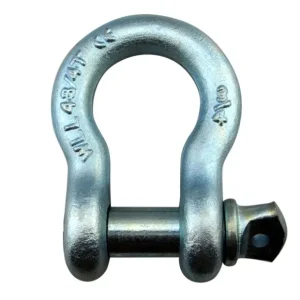
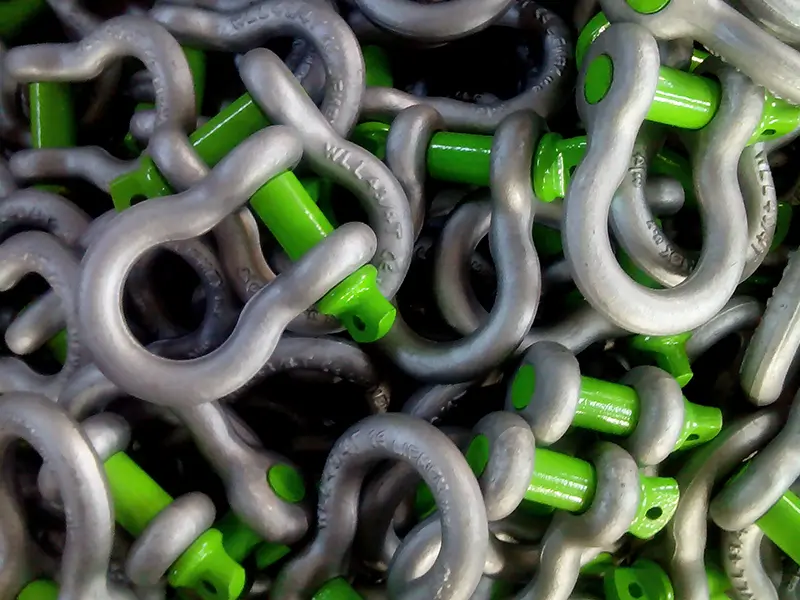
The industrial rigging sector is undergoing a massive shift from standard carbon steel forging to highly optimized Quenched and Tempered carbon/alloy steels. Winch shackles, especially G209 bow design configurations, require a high strength-to-weight ratio to manage heavy winching operations without adding bulk to recovery gear.
Additionally, marine and offshore applications demand specialized grades of stainless steel, such as duplex and super-duplex alloys, alongside traditional grade 316 stainless. These alloys prevent stress corrosion cracking (SCC) and localized pitting in saltwater splash zones.
The global rise of synthetic winch lines has altered shackle demands. Traditional sharp-edged metallic connectors damage synthetic fibers. Leading manufacturers are now designing smooth-radiused metallic bow shackles and high-strength aluminum soft-shackle connectors to prevent line chafing.
This integration of smart structural components ensures safety across dual recovery formats (synthetic & wire ropes), decreasing downtime while maximizing lifting and pulling performance in extreme climates.
For procurement officers and logistics leads, maintaining structural compliance and supply-chain continuity is essential for limiting operational liability.
Procuring organizations must verify that all imports meet safety standards including standard RR-C-271, ASME B30.26, and CE criteria. Our manufacturing protocols include continuous batch tensile testing to verify safety factors of 6:1 or 4:1 depending on specific model codes.
Premium supply partners must deliver complete traceability through MTRs (Material Test Reports). Non-destructive testing (NDT), such as Magnetic Particle Inspection (MPI) and ultrasonic evaluation, guarantees that subsurface hairline defects are eliminated before shipment.
Industrial applications regularly require unique load dimensions. Operating as an established OEM partner, our engineers offer modifications in pin size, custom stamping, specific color powder coating, and specialized threading geometries to match custom configurations.
Qingdao Rui De Tai Metal Products Co. Ltd operates advanced drop-forging facilities in Qingdao, China. Positioned near international aviation and maritime container ports, we ensure rapid global fulfillment.
Industrial globalization demands manufacturing agility. Our production center utilizes Industry 4.0 manufacturing processes, integrating automated hydraulic drop-forging machinery with digital thermal regulation. This guarantees micro-structural uniform alloy distribution, preventing brittle fractures under heavy loads.
By digitizing our supply chains, we maintain strategic reserves of raw steel, avoiding sudden market price hikes. Our facilities in Qingdao ensure seamless maritime shipping routes to major international hubs, bypassing supply constraints and offering consistent wholesale pricing.
Our rigging hardware is engineered to meet specific localized operational conditions across diverse industries.
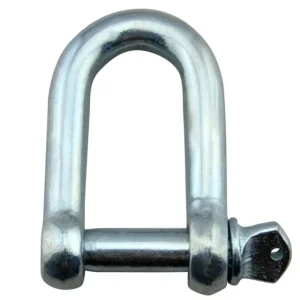
High-salinity maritime routes require corrosion-resistant grade 316 stainless or hot-dip galvanized bow and D-shackles to secure deck machinery, cargo, and mooring lines.
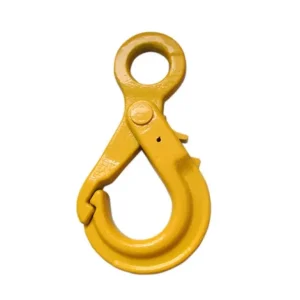
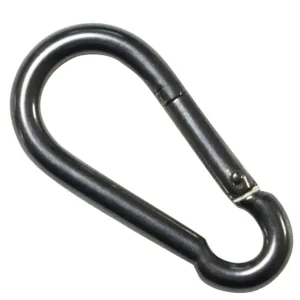
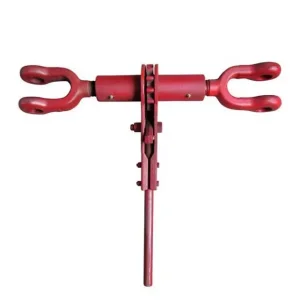
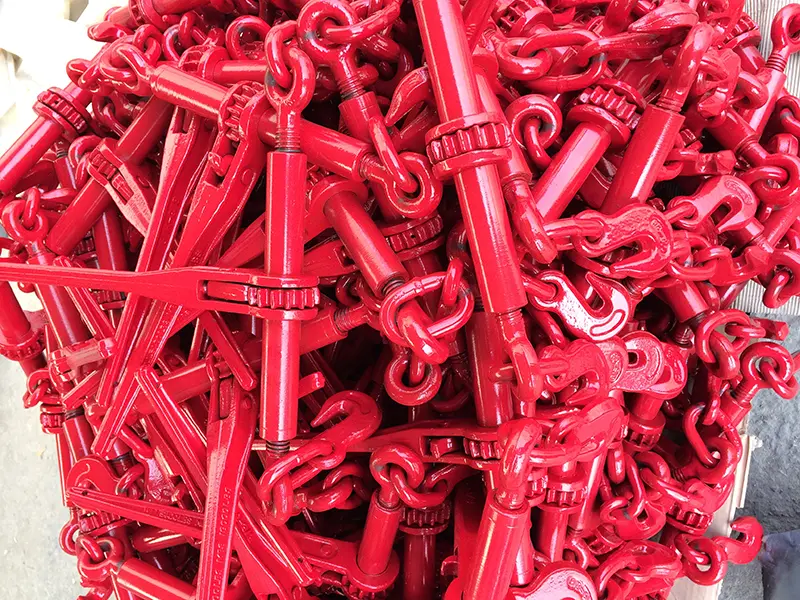
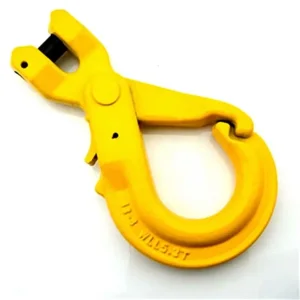
Continuous loading cycles require high-fatigue life rigging. Integrated G80 drop-forged snap hooks and heavy-duty load binders sustain millions of cargo handling repetitions.
Structural lifting operations rely on high-capacity anchor shackles. Complete material traceability (MTRs) guarantees safe operations in crowded construction areas.
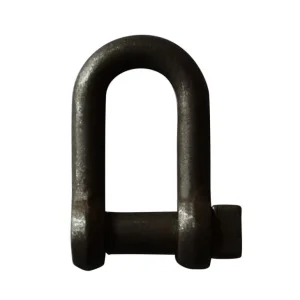
Trawling shackles with square head pins prevent line snags during deep-sea operations, optimizing catch efficiency and ensuring crew safety.
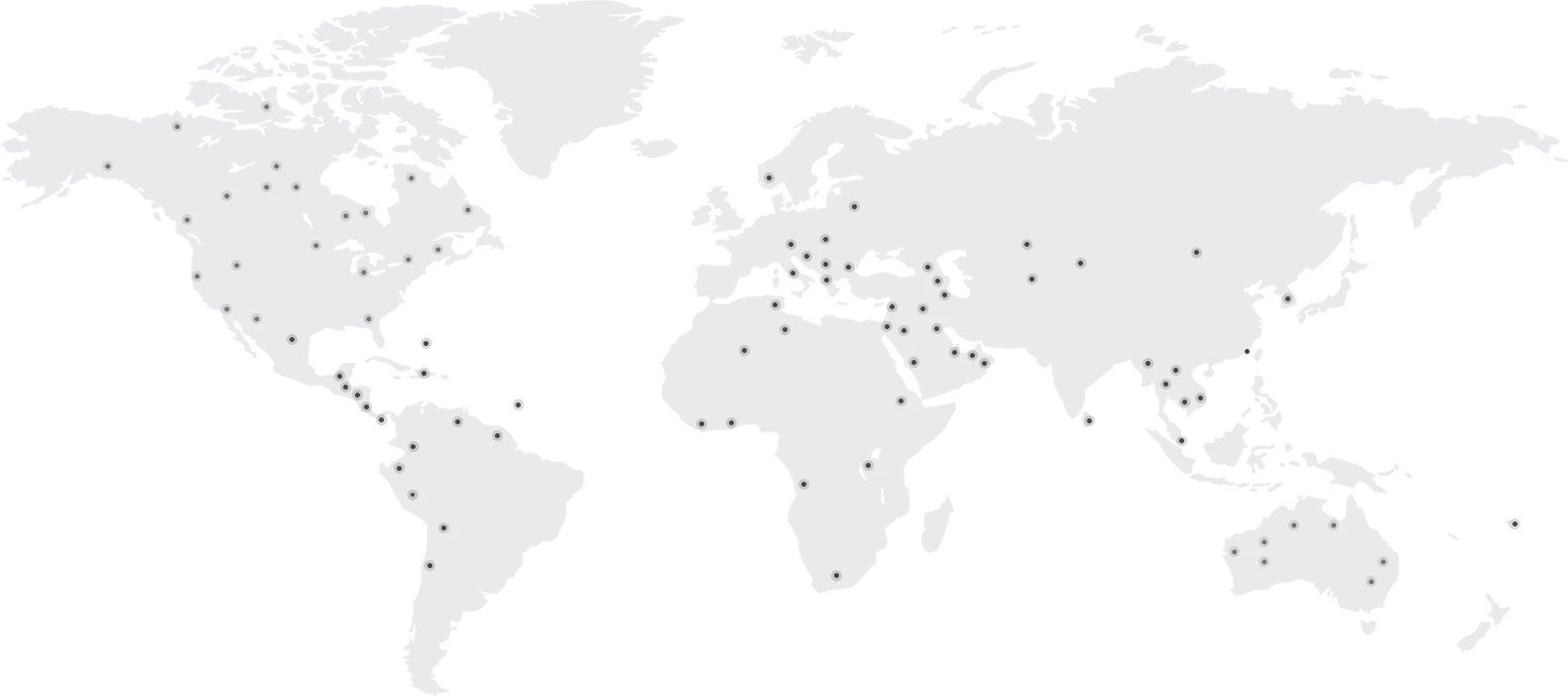
Rui De Tai exports rigging equipment to key international logistics hubs across Australia, North America, the Philippines, Germany, Nigeria, and Madagascar. Our products are trusted globally in demanding industries, from mining to deep-sea maritime projects.
Our Quality Management System meets ISO standards. We carry out regular inspection protocols with SGS and third-party inspection agencies to confirm all industrial standards are met prior to shipping.
Answers to common industry questions regarding load dynamics, steel grade selection, manufacturing standards, and installation.
The main difference is the design configuration of the securing pin. The G209 shackle uses a screw pin, allowing for quick removal and adjustments, making it ideal for temporary winching. The G2130 shackle uses a bolt-type security pin secured with a cotter pin. This configuration is better suited for permanent or high-vibration applications where a screw pin might loosen.
Most high-tensile carbon steel alloy shackles operate with a 4:1 design factor, while premium alloy models designed for critical overhead lifting often feature a 5:1 or 6:1 design safety factor, in compliance with EN 13889 and Federal Specification RR-C-271 criteria.
Hot-dip galvanization involves dipping the shackle body into molten zinc, forming a thick zinc-iron alloy layer (exceeding 85μm) that offers superior resistance to marine corrosion. Electro-galvanization yields a thinner cosmetic zinc coating that wears off quickly under abrasive working conditions.
Extreme cold can cause steel to become brittle, lowering its impact resistance. For operations below -20°C, we supply specialized alloy steel shackles certified under Charpy V-notch impact testing to ensure safety in cold weather applications.
Yes, the curved bow design allows for multi-directional angles of pull, though the Working Load Limit (WLL) decreases when loaded off-center. For straight in-line pulling, D-shackles (or straight shackles) are preferred as they minimize lateral movement.
Browse our full range of rigging accessories, hardware, and safety connectors designed to meet strict industrial specifications.
 Rui De Tai