 Rui De Tai
Rigging & Chain Accessories Demand in Latvia: A Strategic Industrial Overview
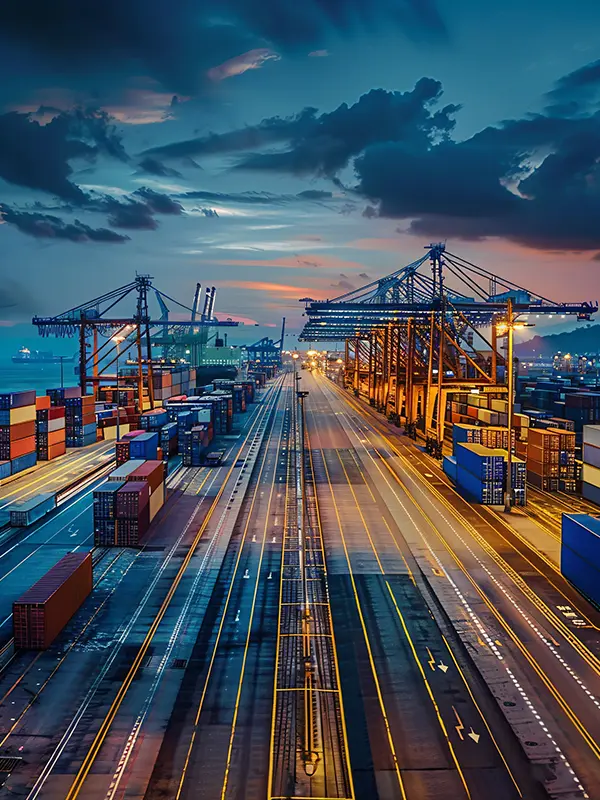
Latvia, located centrally in the Baltic region, serves as a vital logistics node connecting Western Europe to the Northern and Eastern European trade corridors. Anchored by three ice-free ports—the Freeports of Riga and Ventspils, and the Special Economic Zone of Liepāja—the nation processes millions of tons of transit cargo annually. This logistics-driven economy requires high-integrity structural components, specifically industrial chains and rigging accessories, to secure intermodal freight, maritime shipping containers, and oversized industrial machinery.
The Baltic Standard: Demand for Toughness and Sub-Zero Performance
Due to harsh Baltic winters where temperatures regularly plunge below -20°C, material fatigue and brittle fracture present significant operational risks. General-grade rigging fails to meet the safety protocols enforced by European Union workplace directives. Consequently, Latvian logistics operators, port authorities, and forestry conglomerates mandate Grade 80 (G80) and Grade 100 (G100) alloy steel accessories featuring certified low-temperature impact toughness (Charpy V-Notch testing verified at -40°C).
The Driving Sectors of Rigging Hardware in Latvia
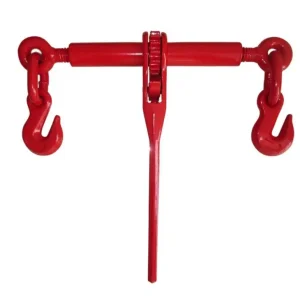
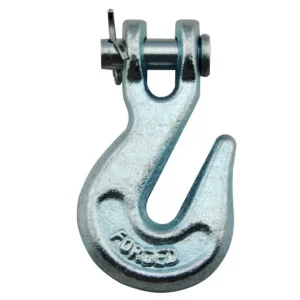
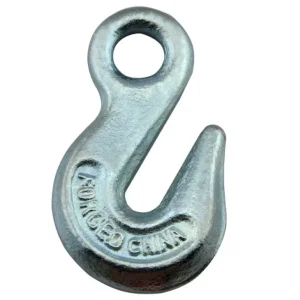
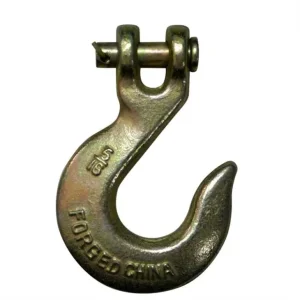
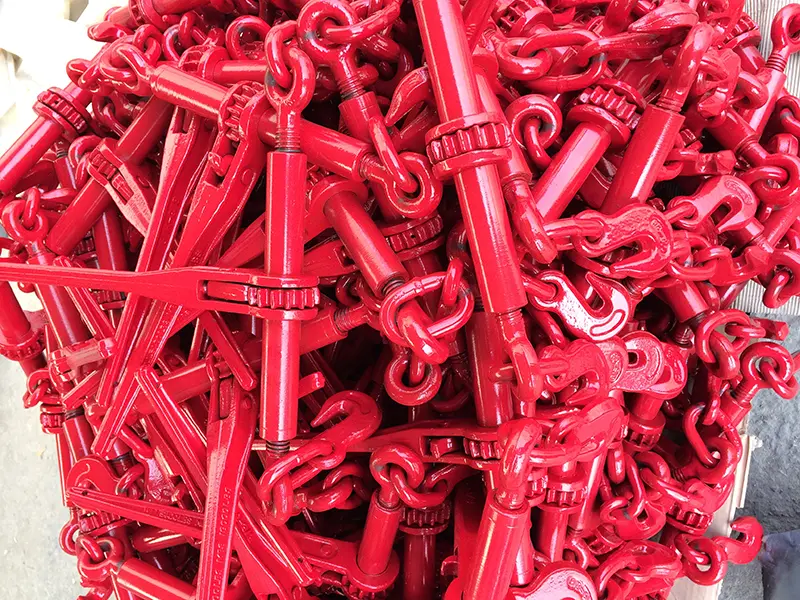
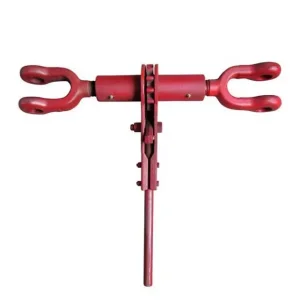
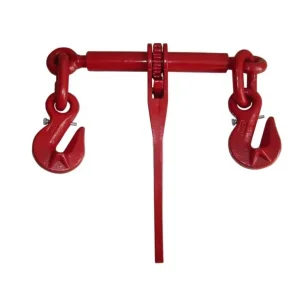
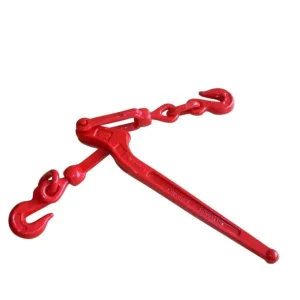
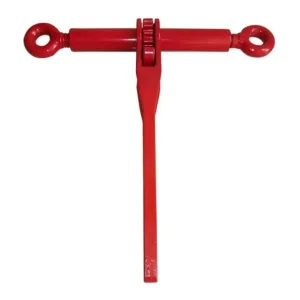
- Forestry and Wood Processing: Representing a cornerstone of Latvian exports, the forestry sector relies heavily on heavy-duty log lashing chains, transport load binders (lever and ratchet types), and grab hooks to secure heavy timber loads on rough logging tracks.
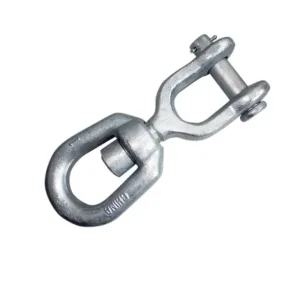
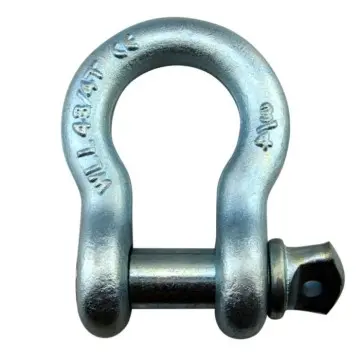
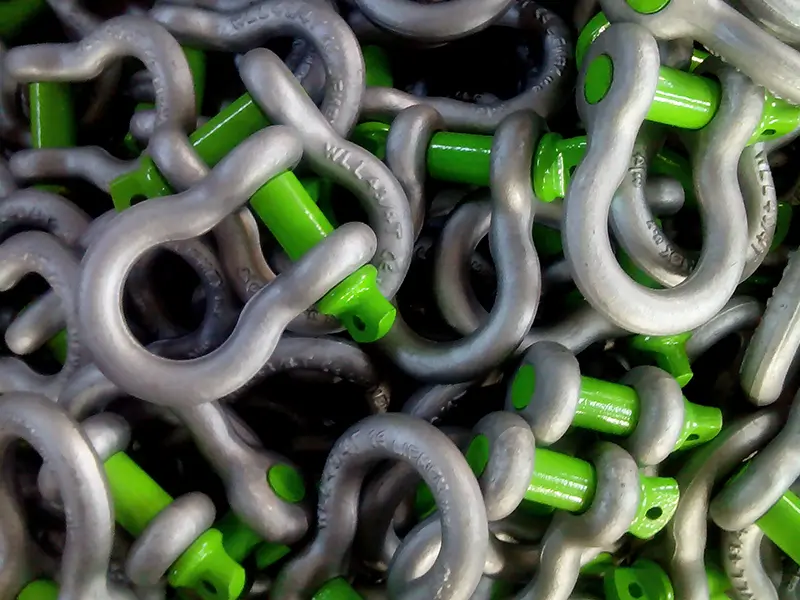
- Maritime Shipping & Port Infrastructure: Constant exposure to high salinity in the Baltic Sea demands corrosion-resistant hot-dip galvanized (HDG) jaw swivels, bow shackles, and marine-grade stainless steel snap shackles.
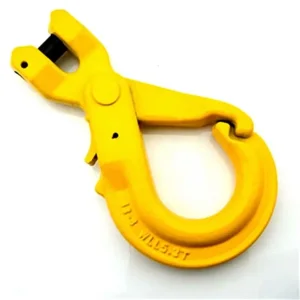
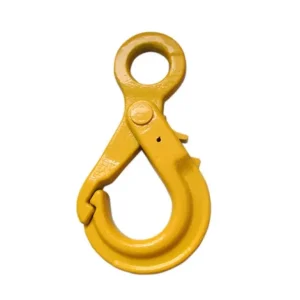
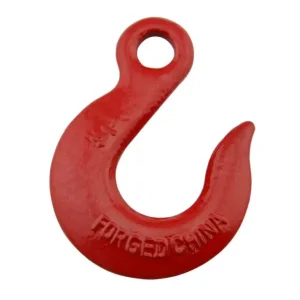
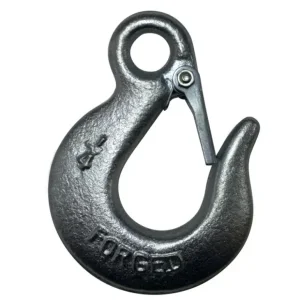
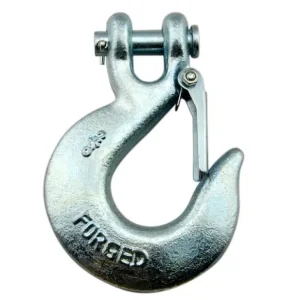
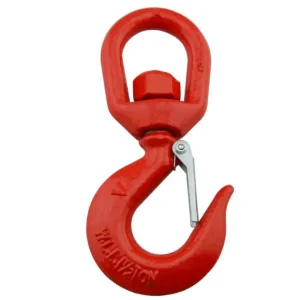
- Mega-Projects (Rail Baltica Infrastructure): As one of the largest infrastructure initiatives in Central/Eastern Europe, the construction of the Rail Baltica high-speed rail line drives high-volume procurement of heavy-duty connecting links, self-locking lifting hooks, and custom structural anchor systems.